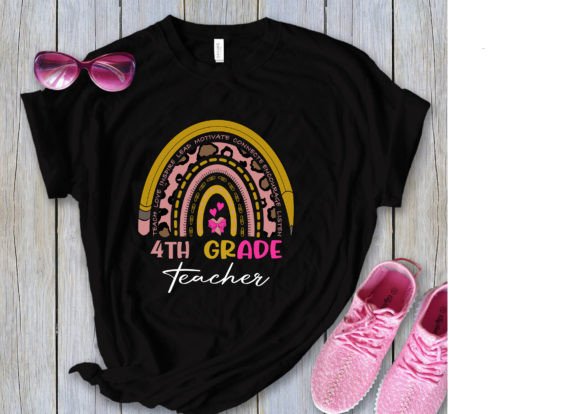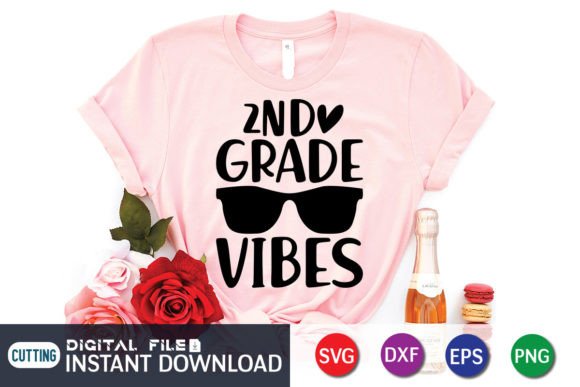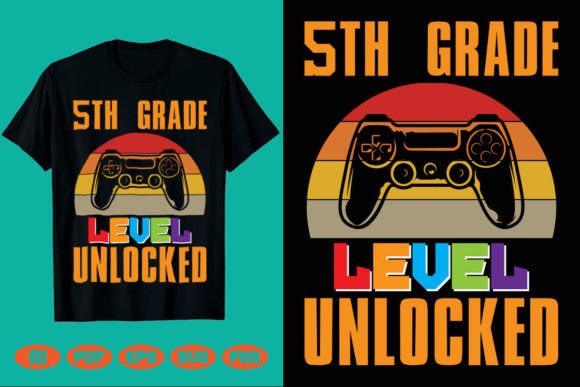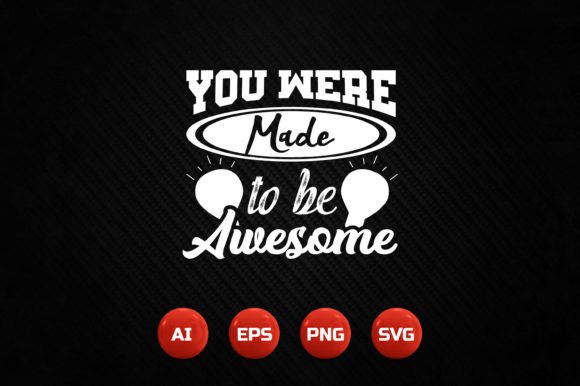
Back to School Teacher SVG Graphics for T-Shirt Designs
As a brand designer who’s helped over 70 local businesses refine their visual identity—from neighborhood bakeries launching “Back to School Treat Boxes” to handmade soap brands creating teacher appreciation gift sets—I recently evaluated Back to School Teacher Svg, Teacher Midd for real-world application. Not as a generic clipart file, but as a functional graphic design asset with tangible impact on packaging design, product labels, and seasonal marketing visuals.
A Warm, Approachable Mood—Not Just Cute, But Consistent
First impression? This SVG carries a friendly, human-centered warmth—think chalkboard doodles meets heartfelt handwritten notes. It leans into soft curves, gentle line weight, and subtle expressive details (like the “Happy to see your face” phrasing rendered in approachable script). It doesn’t scream “corporate educator”—it whispers “your favorite middle school science teacher who remembers your name and brings cookies.” That mood translates beautifully to small business branding that values authenticity: a local coffee shop printing mugs for teacher appreciation week, a children’s boutique adding embroidered patches to backpacks, or a candle brand labeling “Inspired by Teachers” soy wax melts.
Where This Graphic Design Asset Earns Its Keep
In practice, Back to School Teacher Svg, Teacher Midd shines where emotional resonance meets functional clarity:
- Product labels for seasonal bundles—e.g., a skincare brand’s “Teacher Glow Kit” with clean typography layered beside the SVG on matte kraft labels;
- Packaging accents on custom mailer boxes or tissue paper for a boutique’s back-to-school launch;
- Hero graphics for Instagram carousels promoting limited-edition teacher-themed merchandise;
- Printable design elements for thank-you cards tucked into student gift bags at a tutoring center’s local pop-up;
- Social media graphics that feel cohesive—not stocky—when paired with a consistent color palette and brand voice;
- Seasonal campaign visuals, like window decals for a stationery shop or chalkboard-style menu boards at a café hosting “Teacher Appreciation Mornings.”
It strengthens first impression and product recognition because it’s instantly legible *and* emotionally anchored. When used consistently across touchpoints—from a sticker on a handmade soap bar to a banner on a website—it builds visual hierarchy and reinforces brand identity without overwhelming the core message.
Real Packaging & Branding Scenarios That Benefit
I recently used this SVG as part of a packaging design refresh for “Chalk & Honey,” a local honey brand launching a “Back to School Hive Box.” We placed a simplified version of the SVG—cleaned up in Illustrator—as a subtle foil-stamped accent on amber glass jars. Paired with a warm mustard label and hand-lettered copy, it elevated shelf appeal while feeling grounded, not gimmicky. Similarly, a children’s book illustrator used it as a decorative frame around QR codes linking to printable classroom resources—turning a functional element into a branded, joyful experience.
For handmade businesses and creative entrepreneurs, this SVG works especially well as a printable design foundation: layer it into Canva templates for flyers, adapt it for vinyl-cut hang tags on artisanal pencils, or scale it for embroidery-ready files on tote bags sold at PTA fairs.
Use With Intention—Not Everywhere
This isn’t a universal design asset—and that’s its strength. Avoid forcing it into contexts where clarity, formality, or restraint is required:
- Formal corporate branding (e.g., district-wide educational vendor materials);
- Very small product labels where fine script details vanish at ¼ inch height;
- Crowded packaging layouts where it competes with ingredient lists or certifications;
- Backgrounds with low contrast—test it against your actual label stock, not just screen previews;
- Luxury minimalist brands where every element must serve silence and space.
If your brand voice is quiet elegance or clinical precision, this SVG will dilute—not deepen—your positioning.
Practical Brand Designer Notes You’ll Actually Use
Before committing to Back to School Teacher Svg, Teacher Midd for client work or your own small business branding, run these checks:
- Test it on real packaging mockups—not just digital previews—to assess scale, spacing, and print fidelity;
- Convert to black and white: does the line weight hold up on uncoated paper or kraft tags?
- Preview it at 12mm height on a physical label sample—does the script remain legible?
- Layer it over your brand colors: does the SVG’s default stroke weight or fill density clash or harmonize?
- Compare it side-by-side with competitor packaging—does it stand out with warmth, not noise?
- Check PNG transparency: is the background truly clean, or does it carry faint anti-aliasing halos?
- Inspect SVG editability: can you easily isolate and recolor individual elements (e.g., change “happy to see your face” to match your brand font)?
- Test it beside your primary typefaces—serif, sans serif, script, and display fonts—to confirm visual harmony;
- Verify commercial license terms: does it cover physical product sales, resale, and client deliverables—or just personal use?
Remember: even the most charming SVG becomes weak branding if it’s misapplied. Its value lies in how thoughtfully it integrates—not how many places you can cram it.
Final Thought: A Tool for Human-Centered Local Business Branding
Back to School Teacher Svg, Teacher Midd isn’t just another digital product from a creative marketplace. When approached as a considered graphic design asset—not clipart—it supports stronger customer trust, more polished marketing visuals, and a cohesive brand identity rooted in real community moments. For small business owners, food brands, boutiques, and handmade sellers, it’s a rare blend: nostalgic yet fresh, decorative yet purposeful, simple enough to reproduce cleanly across mediums, and expressive enough to spark genuine connection. Used with intention, it helps your local business say, “We see teachers—not as a market, but as neighbors, mentors, and friends.” And in today’s crowded landscape, that kind of sincerity is the most valuable design asset of all.