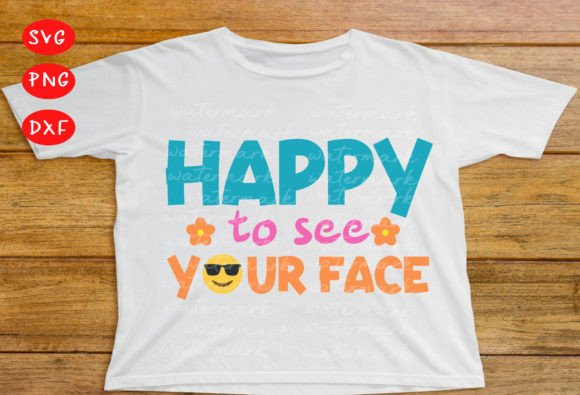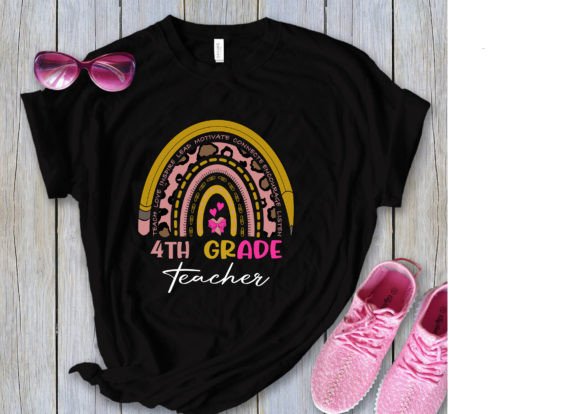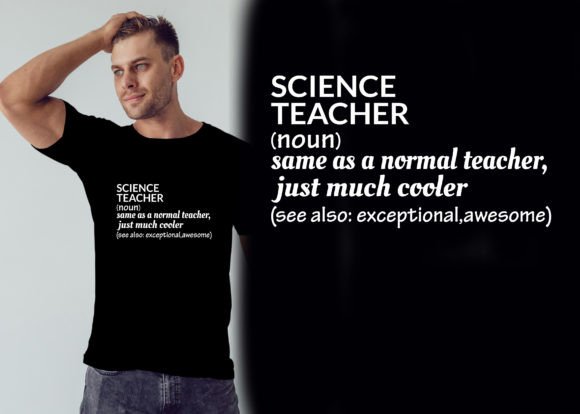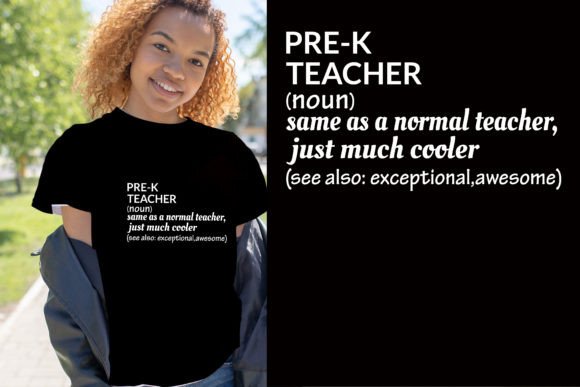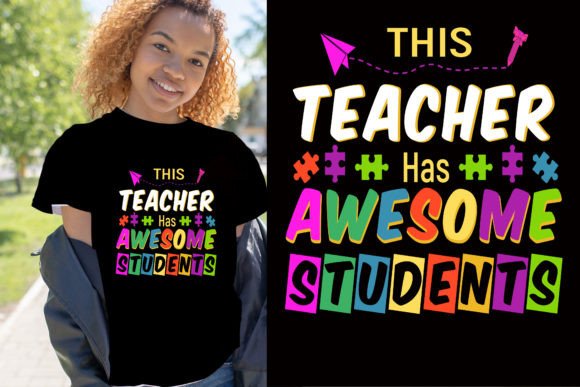
Teacher Has Awesome Back to School SVG
A Design That Smiles—Before You Even Stitch It
The first thing that strikes me about Teacher Has Awesome Back to School SVG isn’t its technical specs—it’s its warmth. It lands with a quiet confidence: friendly, upbeat, and just polished enough to feel intentional—not rushed, not overdesigned. As an embroidery designer who’s stitched hundreds of back-to-school motifs—from chalkboard doodles to apple-shaped appliqués—I immediately sense this one belongs on something people *keep*: a teacher’s favorite tote, a cozy sweatshirt worn through parent-teacher conferences, or a baby onesie gifted by a proud educator aunt.
Where This Design Naturally Lives (and Thrives)
This isn’t a design built for tiny caps or ultra-dense fill-stitch logos. Its charm lives in mid-scale applications: 3.5"–5" wide embroidery on the chest of a crewneck sweatshirt, centered on a linen tea towel, or stitched cleanly onto the front pocket of a canvas tote bag. I recently tested it as a custom embroidered patch for a small boutique’s “Teacher Appreciation Week” collection—and it held up beautifully in satin stitch with clean lettering and balanced negative space. The layout breathes; no element fights for attention. The “awesome” script flows without tangling, and the supporting graphic elements (think subtle stars or a clean chalk outline) are spaced generously—critical when translating vector lines into thread paths.
Real Embroidery Behavior: What Works, What Needs Care
In practice, Teacher Has Awesome Back to School SVG performs best on stable, medium-weight fabrics: cotton twill for aprons, fleece-backed sweatshirts, sturdy canvas for totes, and pre-shrunk jersey for t-shirts. On baby clothes? Yes—but only if you reduce density slightly and use lightweight cutaway stabilizer. On stretchy knits or thin voile? Proceed with caution: test stitch on scrap first, add tear-away + topping, and avoid tight corners where the script curves sharply.
Dark fabric backgrounds bring out its personality—especially with bright thread contrast (navy + gold, black + lime). On light fabric, it reads clearly but benefits from a subtle underlay to prevent show-through. Curved surfaces like caps or hats? Possible—but only if your digitizer adjusts for crown distortion. Don’t assume the vector file translates directly without re-hooping and tension checks.
Watch These Details Closely
- Lettering clarity: The “awesome” script is legible at 4" wide, but drops below 3" without manual cleanup—tiny loops may collapse in fill stitch.
- Dense areas: Any star or decorative accent near text should be reviewed for stitch density. Overly tight fills can pucker lightweight fabric.
- Edges & corners: Sharp points (like star tips) need smooth tapering in stitch data—otherwise, thread breaks or skipped stitches happen on home machines.
- Color transitions: Since it’s 100% vector editable, swapping thread colors is easy—but remember: satin stitch over running stitch requires careful layer order in your embroidery software.
How It Shapes Perception—Beyond the Hoop
Embroidered items carry unspoken signals: care, intention, professionalism. Teacher Has Awesome Back to School SVG supports that. It doesn’t shout—it invites. Teachers notice the thoughtful balance between fun and respect. Parents buying personalized gifts respond to its sincerity, not gimmickry. For Etsy sellers or craft fair vendors, it elevates a basic tote or pillow cover into a *reason to pause*. That matters. A well-executed version builds trust faster than any product description.
It also scales gracefully across use cases: as a standalone chest logo on a teacher’s gift sweatshirt, as part of a coordinated set (tote + tea towel + embroidered patch), or even simplified into a single-line running stitch for minimalist nursery decor. Its flexibility makes it strong design *assets*, not just graphics.
Practical Designer Notes Before You Stitch
Before committing to a client project or bulk production:
- Test stitch on scrap fabric matching your final product’s weight and stretch.
- Check thread color contrast on both light and dark mockups—don’t rely on screen previews alone.
- Review stitch density: high-density fills may require heavier stabilizer or reduced speed.
- Confirm hoop size compatibility—especially if stitching on curved or layered garments.
- Inspect small details (like dot accents or fine stems) at actual stitch-out size—not just zoomed-in vector view.
- Use proper stabilizer: cutaway for knits, tear-away for stable wovens, topping for napped or textured fabrics.
- Verify licensing terms before selling finished embroidered products or digital files—this design is marketed for screen and digital printing, so confirm commercial embroidery rights separately.
Final Thought: A Quiet Workhorse, Not a Flashy Gimmick
Teacher Has Awesome Back to School SVG won’t win awards for complexity—but it earns respect for reliability. It fits seamlessly into real workflows: a last-minute custom order for a school staff gift, a batch of embroidered kitchen towels for a teacher-focused Etsy shop, or a heartfelt baby onesie for a first-year educator. It’s the kind of design that looks handmade *because* it’s thoughtfully constructed—not over-engineered, not underdeveloped. In a market flooded with generic apples and cartoon chalkboards, this one stands out by staying grounded, warm, and quietly confident. That’s the mark of good design—and exactly why it belongs in your next embroidery project.