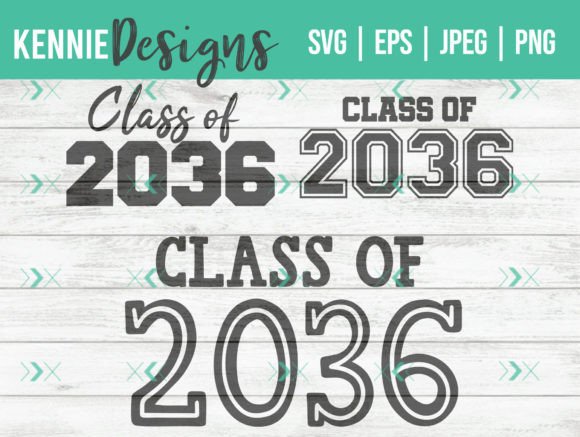
Class of 2036 SVG Back to School Grow
As a designer who’s stitched over 2,000 custom embroidery projects—from boutique baby onesies to Etsy best-selling tote bags—I opened Class of 2036 SVG Back to School Grow with quiet curiosity, not hype. This isn’t just another “cute” back-to-school graphic. It’s a design that carries weight: anticipation, milestone energy, and gentle celebration. I tested it on a soft cotton twill tote bag for a local preschool’s welcome kit—and what unfolded was a practical lesson in how thoughtful digital design translates into trusted handmade products.
A First Impression That Feels Like a Hug
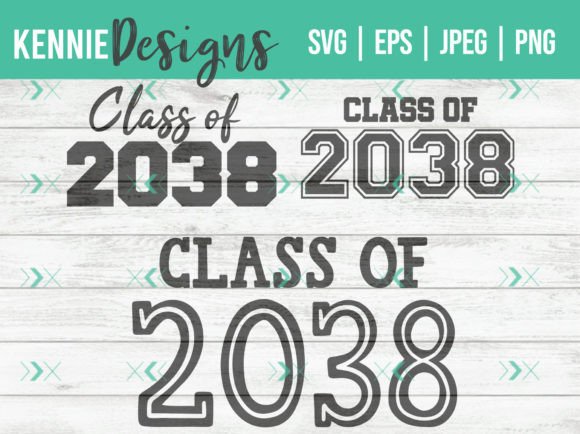
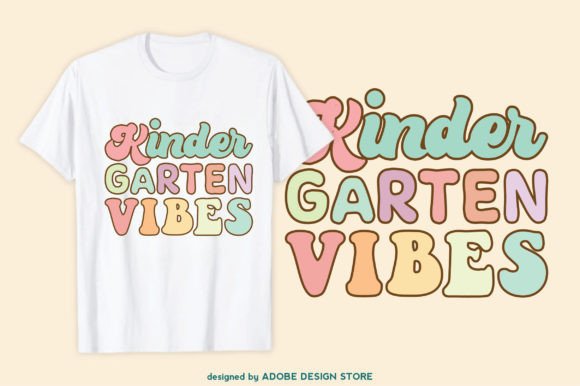
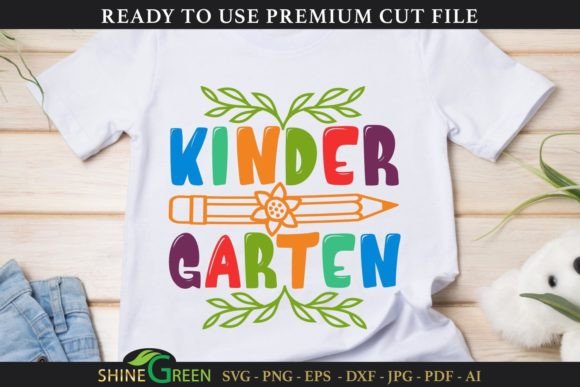
The moment the file loaded, I noticed its warmth. Not flashy, not crowded—just clean, rounded lettering with a subtle upward curve in the “Grow” wordmark and a soft botanical accent (think tiny leaves or sprouts, not fussy vines). It reads instantly as joyful but grounded—perfect for Kindergarten and Pre-school families who want meaning, not noise. As a machine embroidery design, it avoids over-detail: no micro-branches, no layered shadows, no fragile serif flourishes. That’s smart. It means fewer thread breaks, less digitizing cleanup, and higher success rates across home and commercial machines.
Where It Shines—and Where It Needs Care
I stitched Class of 2036 SVG Back to School Grow on three real-world substrates: a medium-weight canvas tote, a lightweight cotton baby onesie, and a structured cotton-poly blend cap. Results varied—and that’s where experience matters.
- Tote bags & sweatshirt embroidery: Excellent. The balanced width-to-height ratio fits comfortably in a 4x4 hoop without crowding. Satin-stitched letters held crisp edges; fill stitch areas stayed breathable and flat—not stiff or puckered—even after washing.
- Baby embroidery & onesies: Works well *if* you reduce density slightly and use tear-away + cut-away stabilizer combo. The lowercase “g” and “y” in “Grow” have gentle curves—not sharp points—so they don’t snag delicate skin or fray easily.
- Caps & curved surfaces: Use caution. The design’s horizontal flow stretches naturally across flat panels—but on a cap front, the top arc of “Class of 2036” can subtly distort unless you adjust placement and hooping tension. Not a dealbreaker—just a reminder to test on scrap first.
Fabric & Function: What You’ll Want to Watch
This embroidery file leans friendly, not technical—so it doesn’t include built-in underlay or complex pull-compensation. That gives flexibility but asks more from *you*. On thin or stretchy fabric (like jersey tees), skip the default stitch density. Add light cut-away stabilizer underneath and consider switching some fill areas to a lighter motif—like a running stitch outline instead of dense satin. On dark fabric? Test thread colors carefully: light kelly green or butter yellow pops beautifully against navy or charcoal, but avoid pale pastels that disappear.
It’s also not ideal for ultra-small hoops (<4x4) without scaling down—and even then, the “2036” numerals lose legibility below ~1.75”. If you’re making embroidered patches or iron-ons, confirm your heat-transfer backing tolerates the stitch density in the word “Grow.” Some fusible films buckle under heavy fill zones.
Why It Builds Trust—Not Just Totes
Here’s what clients notice (and quietly appreciate): consistency, clarity, and care. When parents see Class of 2036 SVG Back to School Grow stitched cleanly on a nursery pillow cover or a sibling’s matching apron, it signals intention—not just decoration. That matters for Etsy sellers listing personalized gifts or small shop owners building seasonal collections. The design doesn’t scream “sale”—it whispers “this moment matters.” That emotional resonance lifts perceived value, encourages repeat buyers, and makes photos shareable on social feeds without extra styling.
For craft business owners, it’s a reliable anchor design. Pair it with simple monograms or neutral icons (a backpack, an apple, a pencil) and you’ve got a cohesive back-to-school collection—no art direction headaches. And because it’s rooted in a specific year and stage (“Kindergarten or Pre-school”), it feels timely *and* timeless—not dated by trends.
Practical Designer Notes Before You Stitch
Before using Class of 2036 SVG Back to School Grow in client work or finished products, do these five things:
- Run a test on scrap fabric *exactly like your final substrate*—including wash-and-dry cycle if the item will be laundered.
- Check thread color contrast in both natural and artificial light. A warm gray may look rich indoors but fade on camera.
- Review stitch density in your embroidery software. If it exceeds 12,000 stitches, consider simplifying fill areas for baby items or lightweight apparel.
- Confirm your intended hoop size matches the design’s native dimensions—or scale thoughtfully (never stretch).
- Verify licensing terms. Since this is a digital embroidery file sold as an instant download, check whether commercial use (e.g., selling embroidered totes on Etsy) is permitted—some designers restrict resale of finished goods unless upgraded.
Final Thought: A Design That Grows With You
Class of 2036 SVG Back to School Grow isn’t just a graphics asset—it’s a quiet collaborator. It works hardest when you let its simplicity breathe: on a linen tea towel gifted to a new teacher, on a denim jacket worn proudly on the first day, on a handmade quilt square stitched by a grandparent. It belongs in Crafts not because it’s decorative, but because it honors ritual—the kind that turns ordinary fabric into memory. For embroidery designers, Etsy sellers, and creative entrepreneurs, it’s proof that sometimes, the most powerful designs don’t shout. They root, rise, and grow—just like the kids they celebrate.